Book Appointment Now

Shockwave Therapy vs Therapeutic Ultrasound
Shockwave vs therapeutic ultrasound: how each works, which injuries respond, session counts and how our physiotherapists choose between them.
Shockwave therapy and therapeutic ultrasound are both acoustic modalities used in physiotherapy, but they do different jobs. Shockwave delivers high-energy pressure waves to restart healing in stubborn tendons; ultrasound delivers low-energy sound waves mainly to warm tissue and support early healing. The choice is not a preference: it depends on the tissue, the depth, and how long the problem has been there. Both are available at our Pickering and Milton clinics.
Key takeaways
- Shockwave is a high-energy stimulus for chronic tendon and fascia problems; ultrasound is a gentle adjunct for swelling and scar mobility.
- Shockwave sessions run 10 to 20 minutes, typically 3 to 5 sessions; ultrasound runs 5 to 10 minutes, typically 6 to 12 sessions.
- Shockwave has moderate evidence for tendinopathy; ultrasound evidence is weaker and mixed.
- Shockwave needs 24 to 48 hours of reduced loading afterwards; ultrasound leaves almost no after-effect.
- Neither modality rebuilds tissue on its own. Both are prescribed around a progressive loading program.
- They are rarely combined on the same tissue in the same visit; clinicians stage them instead.
Two different tools, two different jobs
Both devices send energy into tissue through the skin, which is why they get grouped together. The intensity and the biological effect are not comparable.
How shockwave works
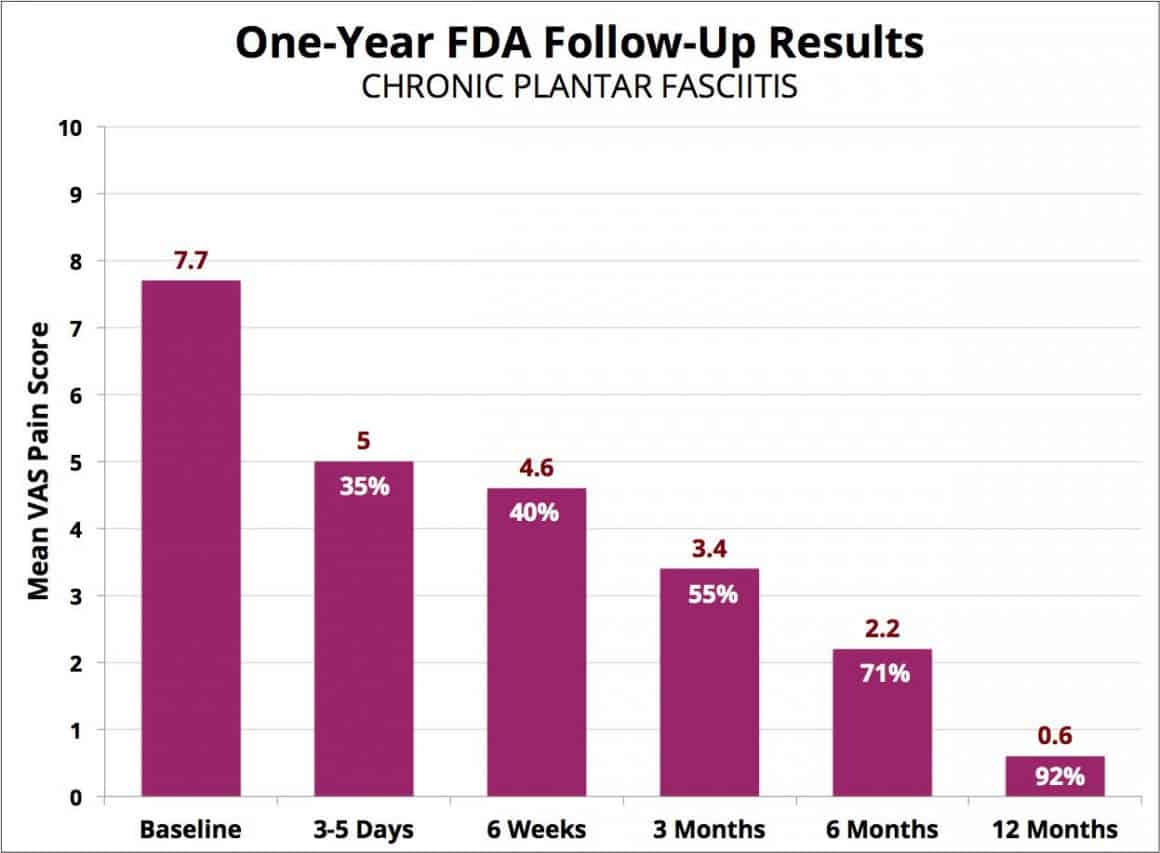
Shockwave therapy delivers high-energy acoustic pulses into injured tissue. A pneumatic pressure wave enters the skin and travels through soft tissue, and that mechanical force triggers a biological response: local blood flow increases and cellular repair restarts. It is most useful for long-standing tendon problems that have not responded to exercise alone.
How therapeutic ultrasound works
Therapeutic ultrasound uses a handheld transducer to send high-frequency sound waves into muscle, tendon or ligament. The waves create microscopic vibration that can improve local circulation and tissue extensibility. A conducting gel is applied first, and most patients feel only mild warmth or the glide of the head against the skin.
At a glance
The table below is the short version of the clinical comparison.
| Feature | Shockwave therapy | Therapeutic ultrasound |
|---|---|---|
| Mechanism | High-energy radial pressure waves | High-frequency sound waves |
| Typical conditions | Chronic tendinopathy, plantar fasciitis, tennis elbow | Soft tissue swelling, scar mobility |
| Session length | 10 to 20 minutes | 5 to 10 minutes |
| Typical sessions | 3 to 5 | 6 to 12 |
| What it feels like | Intense tapping, mild discomfort | Gentle warmth or nothing |
| After treatment | Avoid heavy load 24 to 48 hours | No restriction typically |
| Strength of evidence | Moderate for tendinopathy | Weaker and mixed |
Which injuries respond to which
Conditions we choose shockwave for
Shockwave is selected when a tendon or fascia has not responded to loading exercise alone.
- Chronic tendinopathy lasting beyond three months despite exercise.
- Calcific tendinitis of the shoulder.
- Plantar fasciitis and stubborn heel pain.
- Tennis elbow and golfer’s elbow with degenerative tendon change.
- Mid-portion or insertional Achilles tendinopathy.
When ultrasound is the better fit
Ultrasound is used as a gentle adjunct, not as the main treatment.
- Early soft tissue swelling that is limiting movement.
- Scar tissue that needs to glide again after healing.
- Muscle guarding, as preparation before manual therapy.
- Sensitive presentations where shockwave intensity is not appropriate yet.
- Patient preference, when a gentler modality is the right starting point.
How we choose between them
The modality follows the assessment, not the other way around. Four things decide it:
- Tissue depth and stage: shockwave reaches tendon and the bone-tendon junction; ultrasound suits superficial tissue and early healing.
- Strength of evidence: shockwave has moderate evidence in chronic tendinopathy, ultrasound evidence is weaker and mixed.
- Tissue tolerance: shockwave is uncomfortable and needs 24 to 48 hours of reduced loading; ultrasound leaves almost no after-effect.
- Pairing with exercise: neither rebuilds tissue alone, so both sit inside a progressive loading program.
Can they be combined?
Rarely on the same tissue in the same visit, because a high-energy shockwave stimulus plus ultrasound can overstimulate the area. Clinicians stage them instead: ultrasound earlier when tissue is sensitive, shockwave once the problem is chronic, and active loading throughout.
Treatment at Pro Fusion Rehab in Pickering and Milton
Both clinics have both devices. Neither is chosen because it happens to be available; it is chosen because the assessment points to it.
- Registered physiotherapy: assessment-led modality choice, followed by the loading that rebuilds tissue.
- Shockwave therapy: radial pressure waves for chronic tendon, fascia and heel pain.
- Therapeutic ultrasound: a gentle adjunct for swelling, scar mobility and sensitive tissue.
- Acupuncture and manual therapy: options when muscle guarding, not tendon load, is the limiting factor.
Our Pickering clinic is at 1885 Glenanna Road, Unit 112, Pickering, ON L1V 6R6, phone (905) 492-2577, serving the community since March 2011. Our Milton clinic is at 470 Bronte Street South, Unit 200, Milton, ON L9T 2J4, phone (289) 878-8881, open since 2015. Osteopathy is not available in Milton. Direct billing is available to most major insurers, and approved WSIB and auto insurance claims are billed directly.
Home care between sessions
The exercise you do around each session is what drives the recovery.
- Isometric loading: hold a mid-range contraction 30 to 45 seconds to settle tendon pain between sessions.
- Prescribed progressive loading: the specific heel raise, wrist extension or rotation drill assigned to you, at the assigned dose.
- Load reduction after shockwave: avoid heavy loading for 24 to 48 hours so the treatment can work.
- Footwear review: supportive shoes for heel and Achilles problems, especially on hard floors.
When to see a doctor first
Book a medical assessment before any modality if you notice any of these:
- Sudden severe pain, or pain that followed a fall or impact.
- Numbness or tingling spreading down the limb.
- Significant swelling, redness or heat that is not settling.
FAQ
Which one is better for tendon pain?
Neither is universally better. Shockwave has moderate evidence for chronic tendinopathy; ultrasound evidence is weaker and mixed, and it works best as a mild adjunct. Your assessment decides which one is appropriate.
Which treatment is more painful?
Shockwave is significantly more intense and can cause mild to moderate discomfort during the session. Ultrasound is typically painless and produces only gentle warmth, or nothing at all.
How do I know which one I need?
You do not need to choose before arriving. Your physiotherapist assesses the tissue, the stage of healing and your tolerance, then recommends the modality and pairs it with exercise.
Can I have both treatments?
Rarely on the same tissue in the same visit, because combining a high-energy shockwave stimulus with ultrasound can overstimulate the area. Clinicians usually stage the two across a plan.
Is either treatment covered by insurance?
Direct billing is available to most major insurers for physiotherapy that includes these modalities, and approved WSIB and auto insurance claims are billed directly. Contact us about your specific plan.
Do I need a doctor’s referral?
No referral is needed to book a physiotherapy assessment. Some private plans require a prescription for reimbursement, so check your policy before your visit.
If you are unsure which modality fits your injury, book an assessment rather than choosing from a list. Our physiotherapists in Pickering and Milton assess the tissue first and tell you what it actually needs, including whether a modality is needed at all. Contact us with questions.