Book Appointment Now

Plantar Fasciitis Relief
Plantar Fasciitis Relief: Causes, Symptoms, and Evidence-Based Treatment
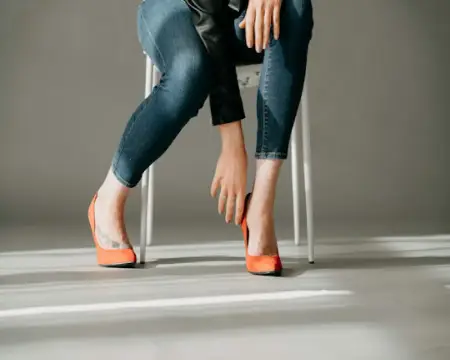
Plantar fasciitis is a leading cause of heel pain seen in clinical rehabilitation. The plantar fascia is a thick band of connective tissue. It runs along the bottom of the foot, connecting the heel bone to the toes. Repetitive strain inflames or degenerates this tissue, making everyday walking painful.
At Pro Fusion Rehab, we target the underlying mechanical strain on your foot. Our multidisciplinary clinics in Pickering and Milton combine registered physiotherapy, massage therapy (RMT), acupuncture, and custom orthotics to restore pain-free walking.
At Pro Fusion Rehab, we target the underlying mechanical strain on your foot. Our multidisciplinary clinics in Pickering and Milton combine registered physiotherapy, massage therapy (RMT), acupuncture, and custom orthotics to restore pain-free walking.
Typical Symptoms & Common Causes of Plantar Fasciitis
Plantar fasciitis exhibits a distinct pattern of pain. Furthermore, symptoms can fluctuate depending on your activity level and footwear:
- Stabbing Heel Pain: Sharp pain on the underside of the heel, concentrated on the inner heel bone.
- Severe Morning Steps: Intense discomfort during your first steps out of bed in the morning.
- Post-Rest Pain: Increased aching when standing up after prolonged sitting or driving.
- Post-Exercise Aching: Pain that improves during light walking but worsens significantly after stopping activity.
- Arch Tightness: Persistent stiffness and tension throughout the medial arch of the foot.
Plantar fasciitis rarely develops overnight. Instead, it stems from cumulative mechanical stress and tissue overload:
- Abnormal Foot Biomechanics: Excessive overpronation (flat feet) or rigid high arches increase tensile stress across the fascia.
- Tight Calf Musculature: Tight gastrocnemius and soleus muscles restrict ankle dorsiflexion, transferring excessive strain to the plantar fascia.
- Sudden Increases in Activity: Rapid spikes in walking, running, or standing on hard surfaces overload the connective tissue.
- Unsupportive Footwear: Wearing worn shoes, thin flip-flops, or high heels deprives the arch of vital shock absorption.
- Occupational Strain: Extended standing on hard concrete floors without supportive footwear fatigues intrinsic foot muscles.
Looking for Plantar Fasciitis Relief?
Resting the foot completely will not rebuild tissue capacity. Instead, practicing smart daily habits protects the healing fascia:
- Never Walk Barefoot: Always wear supportive footwear or structured recovery slides, especially during morning steps.
- Roll the Foot Under Light Pressure: Gently roll a firm ball under your arch before getting out of bed to loosen tight tissue.
- Choose Supportive Shoes: Wear shoes with firm heel counters and adequate arch support to reduce tensile tension.
- Avoid Sudden High-Impact Steps: Postpone running, jumping, and plyometrics until initial tissue inflammation settles.
- Seek Early Clinical Guidance: Chronic plantar fasciopathy leads to tendon degeneration and heel spurs. Therefore, start early care.
How Can Physiotherapy Treat Plantar Fasciitis?
A Registered Physiotherapist evaluates your gait, ankle mobility, and kinetic chain alignment. After that, your therapist creates a personalized recovery protocol.
Key treatment approaches include:
Key treatment approaches include:
- 1. High-Load Strength Training: Controlled, heavy, slow loading of the plantar fascia stimulates collagen remodeling. Consequently, your foot builds greater tensile strength.
- 2. Manual Therapy and Joint Mobilization: Hands-on mobilizations restore normal mobility to the talocrural, subtalar, and midfoot joints. Therefore, compensatory arch strain decreases.
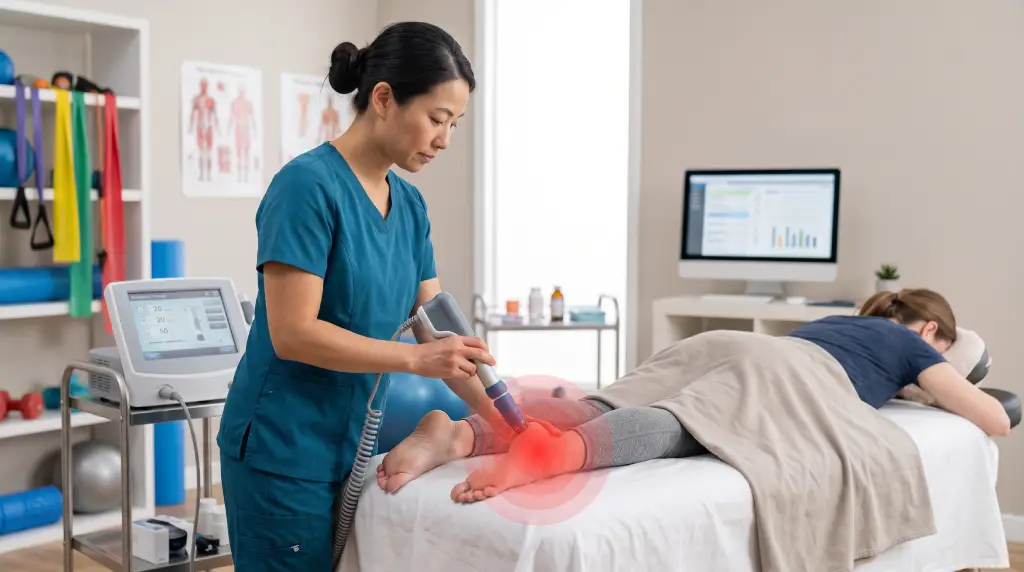
- 3. Radial Shockwave Therapy: Acoustic shockwaves stimulate revascularization and cellular regeneration in chronic, degenerative plantar fascia tissue. As a result, pain sensitivity drops.
- 4. Custom Orthotics and Taping: Low-dye taping provides immediate arch support during early rehab. Custom foot orthotics distribute plantar pressures evenly across the foot long-term.
Plantar Fasciitis Relief at Pro Fusion Rehab (Pickering & Milton)
At Pro Fusion Rehab, our multidisciplinary team coordinates care to deliver efficient recovery:
- Registered Physiotherapy: We provide gait analysis, manual joint therapy, shockwave applications, and progressive loading programs.
- Registered Massage Therapy (RMT): Our therapists release deep myofascial tightness across the calves, hamstrings, and plantar tissues.
- Acupuncture: We use neuro-functional acupuncture to downregulate local heel pain and stimulate regional blood flow.
- Custom Orthotics: We design precise custom orthotics to correct overpronation and eliminate mechanical arch strain.
Frequently Asked Questions (FAQs)
Why is plantar fasciitis pain worse in the morning?
While you sleep, the plantar fascia shortens and tightens. Consequently, taking your first morning steps abruptly stretches the stiff tissue, causing sharp pain.
How long does plantar fasciitis take to heal?
Mild cases often improve within 6 to 8 weeks with targeted physiotherapy. However, chronic plantar fasciopathy may require 3 to 6 months of structured loading and orthotic support.
Are custom orthotics necessary for plantar fasciitis?
Custom orthotics are beneficial if structural foot imbalances, such as severe overpronation or flat arches, caused the initial injury. They distribute ground forces evenly to prevent recurrence.
Does a heel spur cause plantar fasciitis?
No, heel spurs are a secondary bone response to chronic traction, not the primary cause of pain. The pain stems from the inflamed or degenerated plantar fascia itself.
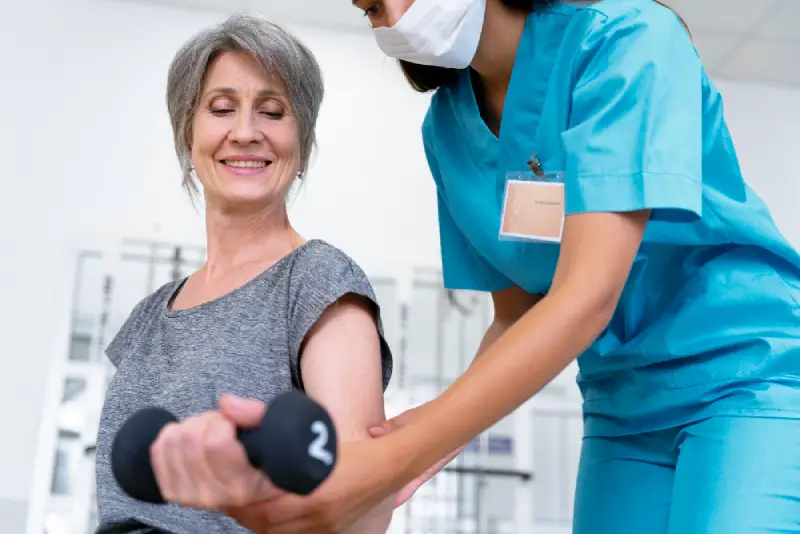
Home Exercises and Remedies for Plantar Fasciitis Relief
Performing gentle home exercises helps reduce morning pain and restores ankle flexibility between clinical sessions:
- Plantar Fascia Stretch: Sit and cross your affected foot over the opposite knee. Grasp your toes and pull them gently toward your shin until you feel an arch stretch. Hold for 20 seconds and repeat 3 times.
- Straight-Leg Calf Stretch: Stand facing a wall with your affected leg back and the heel flat on the floor. Lean forward until you feel a pull in the upper calf. Hold for 30 seconds and repeat twice.
- Bent-Knee Soleus Stretch: In the same wall position, bend both knees slightly while keeping your back heel grounded. Hold for 30 seconds to isolate the deep soleus muscle.
- Frozen Bottle Roll: Roll the arch of your foot over a frozen water bottle for 5 to 10 minutes. This provides soothing cold therapy while massaging tight tissues.
- Towel Curls: Place a small hand towel flat on the floor. Use your toes to scrunch the towel toward you. Repeat for 2 minutes to strengthen intrinsic foot muscles.
Find The Physiotherapy Clinic Near You
Pro Fusion Rehab has 2 well designed and modern rehabilitation clinics, located at Pickering and Milton Ontario.
Pickering Physiotherapy Clinic
Milton Physiotherapy Clinic
Try Our Direct Billing Service
Lower Your Upfront Payment
We direct bill most of the Group Health Benefits, WSIB and Auto Insurance Company