Book Appointment Now

Lymphedema Management
Lymphedema Management: Causes, Symptoms, and Evidence-Based Treatment
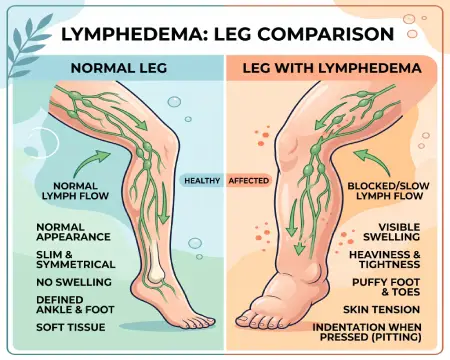
Lymphedema is a chronic condition characterized by localized fluid retention and tissue swelling. The lymphatic system functions as a critical component of your immune and circulatory systems. It filters fluid and carries waste away from body tissues. When lymphatic channels become damaged, blocked, or surgically interrupted, protein-rich lymph fluid accumulates in the interstitial spaces. Consequently, the affected limb feels heavy, tight, and uncomfortable during daily tasks.
At Pro Fusion Rehab, our experienced clinical team at our Milton clinic provides supportive, non-invasive management for fluid retention and joint stiffness. Lymphedema management and MLD are provided at our Milton location, and patients in Pickering can be assessed at our Pickering clinic and referred. We integrate registered physiotherapy, registered massage therapy (RMT), and acupuncture to help reduce limb discomfort and preserve your functional mobility.
At Pro Fusion Rehab, our experienced clinical team at our Milton clinic provides supportive, non-invasive management for fluid retention and joint stiffness. Lymphedema management and MLD are provided at our Milton location, and patients in Pickering can be assessed at our Pickering clinic and referred. We integrate registered physiotherapy, registered massage therapy (RMT), and acupuncture to help reduce limb discomfort and preserve your functional mobility.
Typical Symptoms & Common Causes of Lymphedema
Lymphedema typically develops gradually in an arm or a leg. Furthermore, early detection makes the condition significantly easier to manage:
- Progressive Swelling: Noticeable swelling affecting part or all of an arm or leg, including fingers or toes.
- Persistent Heaviness or Fullness: A distinct sensation of weight, tightness, or pressure in the affected limb.
- Restricted Range of Motion: Difficulty bending the elbow, wrist, knee, or ankle due to surrounding fluid pressure.
- Tightness of Clothing and Jewelry: Rings, watches, bracelets, or shoes feeling uncomfortably snug without weight changes.
- Pitting or Fibrotic Skin Changes: Skin that temporarily retains an indentation when pressed, or gradually thickens and hardens over time.
Lymphedema is clinically categorized into primary and secondary forms, depending on how the lymphatic impairment starts:
- Secondary Lymphedema (Post-Surgical or Oncology Treatments): The most frequent cause in North America. Surgical removal of lymph nodes (common in breast or pelvic cancer care) disrupts natural fluid pathways.
- Radiation Therapy: Radiation can scar, narrow, or inflame delicate lymphatic vessels, hindering long-term fluid drainage.
- Trauma and Severe Infection: Deep tissue injuries, crush wounds, or severe bacterial infections (such as cellulitis) can directly damage regional lymph channels.
- Chronic Venous Insufficiency (Phlebolymphedema): Longstanding venous valve failure places continuous fluid overload on the lower leg lymphatic vessels, eventually causing them to fail.
- Primary Lymphedema: A rare congenital or inherited condition where lymphatic vessels fail to form properly at birth or during adolescence.
Looking for Lymphedema Relief?
While lymphedema is an ongoing condition, consistent daily habits play a major role in keeping swelling under control:
- Protect the Affected Limb: Guard your skin against minor cuts, scrapes, insect bites, and burns. Broken skin provides an entry point for bacteria, which can trigger painful cellulitis.
- Avoid Constricting Clothing: Do not wear tight sleeves, restrictive cuffs, or tight socks that indent the skin. Restrictive bands act like a tourniquet and trap fluid.
- Maintain Meticulous Skin Hygiene: Wash your skin daily with gentle, fragrance-free soap. Apply moisturizing cream regularly to prevent dry skin cracking.
- Stay Active with Light Movement: Avoid staying seated or standing still for extended hours. Gentle, repetitive muscle contractions act as an internal pump to move stagnant fluid.
- Seek Early Clinical Guidance: Swelling is far easier to control before fibrotic tissue changes set in. Therefore, consult a clinician at the earliest sign of limb fullness.
How Can Physiotherapy and Clinical Care Treat Lymphedema?
A Registered Physiotherapist conducts a thorough assessment of limb volume, skin integrity, and joint biomechanics. After that, your therapist designs a safe, progressive management plan.
Key clinical approaches include:
Key clinical approaches include:
- 1. Light Remedial Exercise: Prescribed, low-impact movements activate skeletal muscle pumps. When your muscles contract against skin resistance, they encourage lymphatic fluid to flow through unaffected collateral channels.
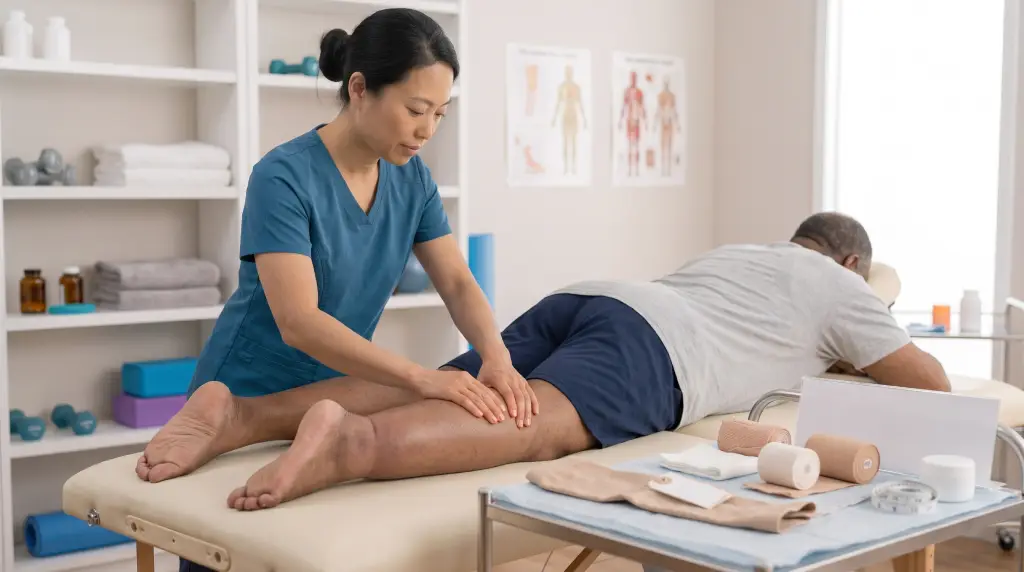
- 2. Manual Lymphatic and Soft Tissue Drainage: Gentle, hands-on massage techniques target functional lymph nodes and vessels. These rhythmic strokes redirect trapped fluid away from congested quadrants toward open, healthy drainage sites.
- 3. Compression Garment Guidance: Therapists help evaluate your needs for daytime compression sleeves or stockings. Proper graduated compression maintains swelling reductions achieved during therapy sessions.
- 4. Joint Mobilization and Postural Alignment: Restoring joint play in the shoulder, neck, or ankle prevents secondary muscle imbalances. Better posture ensures lymphatic ducts in the neck and groin remain open and unobstructed.
Lymphedema Drainage at Pro Fusion Rehab (Milton Clinic)
At Pro Fusion Rehab, our multidisciplinary team coordinates gentle, supportive therapies to help you manage chronic swelling:
- Registered Physiotherapy: We provide movement assessments, remedial exercise programs, and joint mobilization to maintain daily limb mobility.
- Registered Massage Therapy (RMT): Our therapists deliver gentle soft tissue manipulation to ease secondary compensatory muscle tightness in the neck, back, and hips.
- Acupuncture: We use gentle acupuncture protocols to downregulate nervous system sensitivity, reduce discomfort, and support local tissue circulation.
- Mobility and Lifestyle Support: We provide clear, practical guidance on skin care and safe physical activity to help prevent swelling flare-ups.
Frequently Asked Questions (FAQs)
Can lymphedema be cured completely?
Lymphedema is currently considered a chronic condition, meaning there is no permanent cure once lymphatic vessels are damaged. However, with consistent clinical care, compression management, and remedial movement, swelling can be managed successfully for a full, active lifestyle.
Is it safe to lift weights or exercise with lymphedema?
Yes, exercise is not only safe but strongly encouraged. However, exercises must be progressed gradually without causing sudden muscle strain or trauma. Wearing a compression garment during physical activity is often advised by your therapist to prevent fluid accumulation.
Why should I avoid taking blood pressure or blood draws on an affected arm?
Punctures or high compressive cuff pressure can damage already fragile lymphatic vessels and introduce bacteria into congested tissues. Whenever possible, ask medical staff to take blood pressure readings and blood samples from your unaffected arm.
When should I seek immediate medical attention for lymphedema?
Seek emergency medical care immediately if you notice sudden redness, spreading warmth, red streaks on the skin, sharp pain, or an unexplained fever and chills. These symptoms often signal cellulitis, a bacterial skin infection that requires prompt antibiotic treatment.
Home Exercises and Remedies for Lymphedema Relief
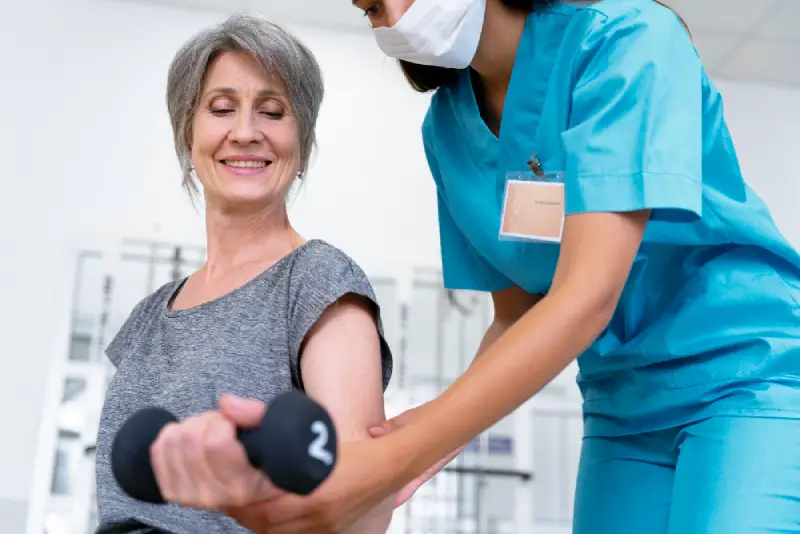
Gentle home exercises stimulate sluggish lymphatic flow between clinical appointments. Always perform these movements slowly, without straining or causing muscle fatigue:
- Deep Diaphragmatic Breathing: Lie comfortably on your back with hands resting on your abdomen. Inhale deeply through your nose, letting your belly rise, then exhale slowly through pursed lips. Deep belly breathing creates negative pressure in the chest, drawing lymph fluid upward into the thoracic duct. Complete 5 slow cycles.
- Active Muscle Pumping (Wrist or Ankle Pumps): If your arm is affected, slowly make a loose fist, hold for 2 seconds, and open your fingers wide. If your leg is affected, point and flex your toes up and down. Repeat for 15 to 20 gentle repetitions to encourage fluid movement.
- Gentle Shoulder Rolls or Leg Slides: While seated tall, slowly roll your shoulders backward in smooth circles 10 times to open the subclavian drainage pathways. For lower limb swelling, gently slide your heel toward your buttocks and back while lying down.
- Resting Limb Elevation: Elevate your affected arm or leg comfortably on pillows so it rests above the level of your heart. Rest in this position for 20 to 30 minutes to let gravity assist venous and lymphatic drainage.
- Cool Compresses: Avoid hot baths, saunas, and heating pads on the affected limb, as heat dilates vessels and increases fluid pooling. If the skin feels warm or tired, use a cool, damp cloth instead.
Find The Physiotherapy Clinic Near You
Pro Fusion Rehab has 2 well designed and modern rehabilitation clinics, located at Pickering and Milton Ontario.
Pickering Physiotherapy Clinic
Milton Physiotherapy Clinic
Try Our Direct Billing Service
Lower Your Upfront Payment
We direct bill most of the Group Health Benefits, WSIB and Auto Insurance Company