Book Appointment Now

Knee Pain Relief
Knee Pain Relief: Causes, Symptoms, and Evidence-Based Treatment
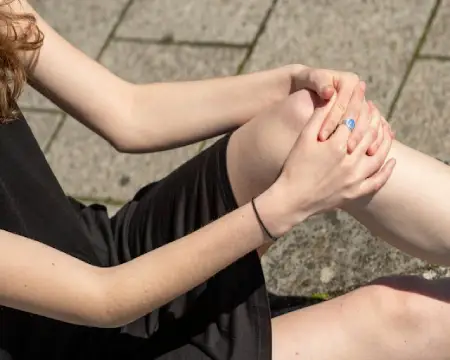
Knee pain is a frequent complaint seen in clinical rehabilitation practice. The knee joint bears significant body weight during daily activities. Consequently, walking, running, and climbing stairs can place heavy mechanical demands on it. When irritation occurs, joint discomfort can limit independent mobility and disrupt daily function.
At Pro Fusion Rehab, our multidisciplinary clinical team in Pickering and Milton identifies the primary driver of knee symptoms. We combine registered physiotherapy, registered massage therapy (RMT), and acupuncture to help restore stable joint function.
At Pro Fusion Rehab, our multidisciplinary clinical team in Pickering and Milton identifies the primary driver of knee symptoms. We combine registered physiotherapy, registered massage therapy (RMT), and acupuncture to help restore stable joint function.
Typical Symptoms & Common Causes of Knee Pain
Knee symptoms vary widely based on which anatomical structures are affected. Furthermore, symptoms can develop suddenly after acute trauma or build gradually from repetitive loading:
- Localized Joint Line Pain: Aching or tenderness concentrated along the inner or outer joint space.
- Morning Stiffness and Reduced Range: Difficulty bending or straightening the leg fully upon waking or after sitting.
- Swelling and Joint Warmth: Visible fluid buildup around the patella, accompanied by a feeling of fullness.
- Instability or “Giving Way”: Sensations of joint buckling while walking, descending stairs, or pivoting.
- Crepitus and Clicking: Grinding, catching, or popping sensations during loaded knee movements like squats.
The knee functions as a hinge joint between the hip and ankle. Therefore, it is vulnerable to both local joint wear and kinetic chain imbalances:
- Osteoarthritis (OA): Progressive wear of articular cartilage that leads to friction, bone spurring, and localized inflammation.
- Patellofemoral Pain Syndrome (PFPS): Poor patellar tracking in the femoral groove caused by muscular imbalances or altered hip biomechanics.
- Meniscal Tears: Damage to the fibrocartilage shock absorbers caused by sudden pivoting motions or age-related tissue degeneration.
- Ligament Sprains (ACL, MCL, LCL): Stretching or tearing of stabilizing knee ligaments due to sudden deceleration, twisting, or impact forces.
- Patellar or Quadriceps Tendinopathy: Overuse strain and microtrauma within the tendon fibers, common in jumping and running activities.
Looking for Knee Pain Relief?
Resting the joint entirely can cause surrounding muscles to weaken quickly. Instead, adopting active habits helps reduce excess joint pressure:
- Choose Low-Impact Cardio: Swap high-impact road running for swimming, stationary cycling, or flat walking to protect joint cartilage.
- Wear Supportive Footwear: Avoid unsupportive, flat shoes that allow excessive foot pronation, which twists the lower leg inward.
- Break Up Long Sitting Periods: Extended sitting stiffens the knee joint. Therefore, straighten and bend your legs periodically during desk work.
- Use Cold and Heat Strategically: Apply ice wrapped in a towel after exercise to reduce inflammation. Use heat before stretching to loosen tight quadriceps.
- Schedule an Early Assessment: Biomechanical compensations can overload your hips and back. Therefore, address knee symptoms early.
How Can Physiotherapy Treat Knee Pain?
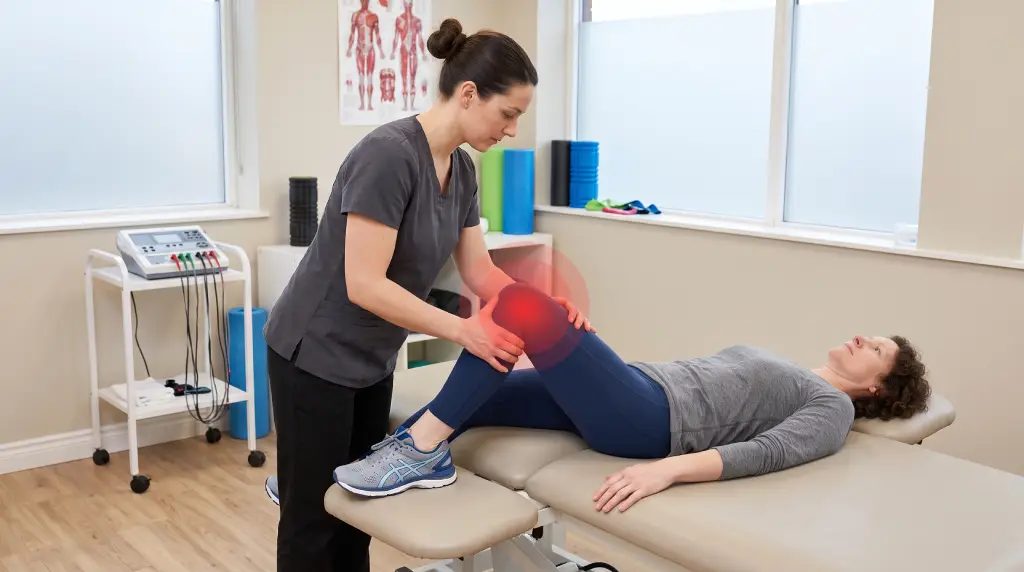
A Registered Physiotherapist evaluates your lower extremity kinematics, joint mobility, and neuromuscular control. After that, your therapist designs a customized rehabilitation plan.
Key physiotherapy interventions include:
Key physiotherapy interventions include:
- 1. Progressive Quadriceps and Hip Strengthening: Strengthening the quadriceps and gluteus medius stabilizes the pelvis. As a result, lateral pull on the patella decreases during movement.
- 2. Manual Therapy and Patellar Mobilization: Hands-on mobilizations restore normal patellofemoral and tibiofemoral joint mechanics. Consequently, stiffness and joint friction decline.
- 3. Kinetic Chain and Gait Correction: Evaluating your walking and running mechanics identifies biomechanical flaws. Correcting dynamic knee valgus relieves stress across the joint ligaments.
- 4. Radial Shockwave Therapy: Shockwave applications deliver targeted acoustic energy to chronic tendon injuries. This process stimulates tissue repair and reduces persistent pain signals.
Knee Pain Relief at Pro Fusion Rehab (Pickering & Milton)
At Pro Fusion Rehab, our clinics provide coordinated multidisciplinary care tailored to your functional goals:
- Registered Physiotherapy: We deliver thorough biomechanical evaluations, manual joint therapy, and targeted strength protocols.
- Registered Massage Therapy (RMT): Our therapists relieve muscular hypertonicity across the hips, thighs, and calves.
- Acupuncture: We utilize neuro-functional acupuncture to downregulate joint pain pathways and stimulate local circulation.
- Custom Orthotics and Bracing: We provide custom orthotics and unloader knee bracing to align joint forces and reduce compressive cartilage wear.
Frequently Asked Questions (FAQs)
Is walking recommended if I have knee pain?
Yes, gentle walking on flat surfaces stimulates synovial fluid circulation and maintains joint cartilage health. However, you should avoid steep inclines, uneven trails, or walking through sharp pain.
How long does knee rehabilitation take?
Mild patellofemoral pain and tendon strains typically improve within 4 to 6 weeks of targeted therapy. Conversely, meniscal tears and chronic knee osteoarthritis often require 8 to 12 weeks of structured strengthening to build resilience.
Can custom orthotics help reduce my knee pain?
Yes, excessive foot pronation causes the shin and knee to rotate inward. Custom orthotics correct foot alignment, which directly reduces twisting forces across the knee joint.
When should I get immediate medical care for knee pain?
Seek prompt medical attention if you cannot bear any weight on your leg, if you experience sudden severe joint swelling within two hours of an injury, or if the knee joint appears visibly deformed.
Home Exercises and Remedies for Knee Pain Relief
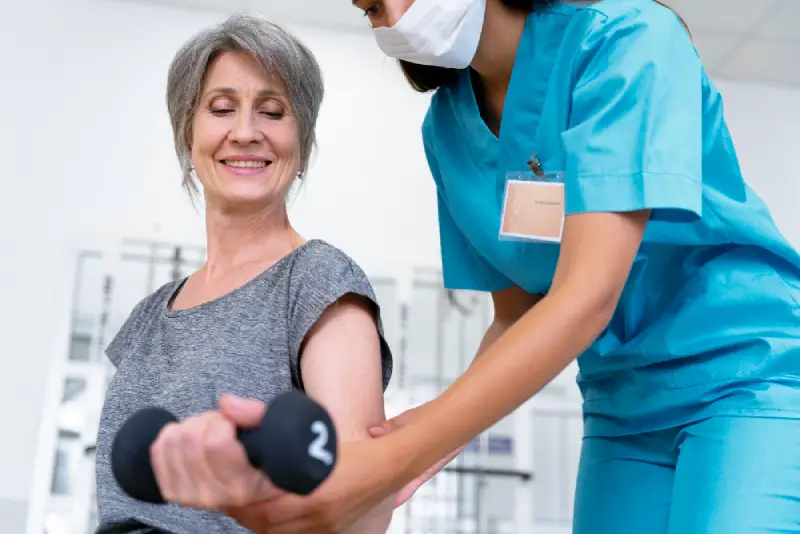
Gentle home exercises support joint lubrication and strengthen supporting muscles between clinical sessions. Always work within a comfortable, pain-free range:
- Straight Leg Raises: Lie on your back with one knee bent and the other straight. Tighten your thigh muscles and lift the straight leg 12 inches. Hold for 3 seconds, lower slowly, and repeat 10 times to build quadriceps control without compressing the knee joint.
- Seated Knee Extensions: Sit upright on a stable chair with feet flat. Slowly extend your painful leg straight out in front of you. Hold for 3 seconds, then lower under control. Complete 10 to 12 repetitions to lubricate the joint surfaces.
- Glute Bridge: Lie on your back with knees bent and feet flat on the floor. Squeeze your buttocks and lift your hips toward the ceiling. Hold for 3 seconds, then lower down. Perform 10 repetitions to strengthen the posterior kinetic chain.
- Calf and Hamstring Stretches: Stand facing a wall with one leg stepped back and the heel pressed flat into the floor. Lean forward until you feel a gentle stretch in the calf. Hold for 20 seconds per side to ease posterior leg tension.
- Quadriceps Foam Rolling: Gently roll a foam roller along the front and side of your thigh for 1 to 2 minutes. This self-massage helps release tension across the rectus femoris and iliotibial (IT) band.
Find The Physiotherapy Clinic Near You
Pro Fusion Rehab has 2 well designed and modern rehabilitation clinics, located at Pickering and Milton Ontario.
Pickering Physiotherapy Clinic
Milton Physiotherapy Clinic
Try Our Direct Billing Service
Lower Your Upfront Payment
We direct bill most of the Group Health Benefits, WSIB and Auto Insurance Company