Book Appointment Now

Back Pain Relief
Comprehensive Guide to Back Pain Relief: Causes, Symptoms, and Evidence-Based Treatment
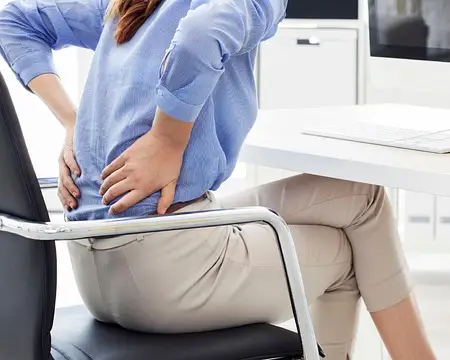
Back pain remains one of the leading drivers of disability, reduced mobility, and missed work across Ontario. Whether it manifests as a persistent, dull ache from prolonged desk posture or an acute lumbar strain after heavy lifting, spinal pain significantly disrupts daily living.
At Pro Fusion Rehab, our multidisciplinary clinical team in Pickering and Milton combines registered physiotherapy, registered massage therapy (RMT), acupuncture, and advanced modalities like shockwave therapy to resolve back pain at its biomechanical root.
At Pro Fusion Rehab, our multidisciplinary clinical team in Pickering and Milton combines registered physiotherapy, registered massage therapy (RMT), acupuncture, and advanced modalities like shockwave therapy to resolve back pain at its biomechanical root.
Typical Symptoms & Common Causes of Back Pain
Back pain presents differently depending on whether the primary dysfunction involves musculotendinous tissue, intervertebral discs, facet joints, or neural pathways:
- Localized Axial Aching: Persistent, deep tension or dull aching concentrated in the lumbar spine, sacrum, or mid-thoracic region, often aggravated by static sitting or standing.
- Radicular Pain (Sciatica): Sharp, shooting, or burning pain that travels from the low back through the glutes and radiates down the posterior or lateral leg.
- Paresthesia and Neurological Deficits: Tingling, numbness (“pins and needles”), or motor weakness in the lower extremities, indicating nerve root compression or irritation.
- Acute Muscle Guarding & Spasms: Severe, sudden protective contraction of the paraspinal muscles and quadratus lumborum, creating rigid hypomobility and postural deviation.
- Stiffness & Movement Hesitation: Pronounced stiffness during morning flexion or difficulty transitioning from sitting to standing without warm-up movement.
Spinal pain rarely develops in isolation. Most presentations result from cumulative microtrauma, biomechanical compensations, or sudden structural overload:
- Lumbar Strains and Sprains: Tearing or microtrauma within the erector spinae, multifidus, or surrounding spinal ligaments due to lifting, sudden twisting, or repetitive strain.
- Disc Bulges and Herniations: Protrusion or displacement of the nucleus pulposus irritating adjacent lumbar or sacral nerve roots.
- Facet Joint Arthropathy (Osteoarthritis): Wear and tear within the posterior facet joints leading to localized inflammation, capsular tightness, and extension-biased discomfort.
- Postural Deficits and Sedentary Loading: Prolonged sitting causing lower crossed syndrome—tight hip flexors, inhibited gluteals, and altered pelvic tilt that place excess load on the lumbar spine.
- Motor Vehicle Accidents (MVA) and Workplace Incidents: Whiplash-associated disorders, direct contusions, or high-velocity spinal compression occurring during auto accidents or workplace injuries.
At Pro Fusion Rehab, our clinicians perform targeted orthopedic testing to differentiate muscle strains, disc lesions, and joint arthropathy to design your personalized recovery program.
Looking for Back Pain Relief?
While severe progressive neurological deficits require emergency medical evaluation, most acute and chronic spinal conditions resolve through early, conservative rehabilitation:
- Avoid Strict Bed Rest: Prolonged bed rest deconditions stabilizing muscles and exacerbates spinal stiffness. Active recovery—such as low-load walking and tolerated mobility drills—promotes optimal blood flow and tissue healing.
- Use Strategic Cryotherapy and Thermotherapy: Apply ice within the initial 24–48 hours to manage acute neurogenic inflammation; shift to moist heat for subacute tension and paraspinal hypertonicity.
- Optimize Ergonomics: Maintain dynamic seated postures, utilize targeted lumbar support, align monitors to eye level, and take micro-breaks every 30 to 45 minutes.
- Schedule an Early Clinical Assessment: Delaying treatment allows compensatory movement patterns to set in. Early targeted intervention prevents acute episodes from becoming persistent chronic pain.
How Can Physiotherapy Treat Back Pain?
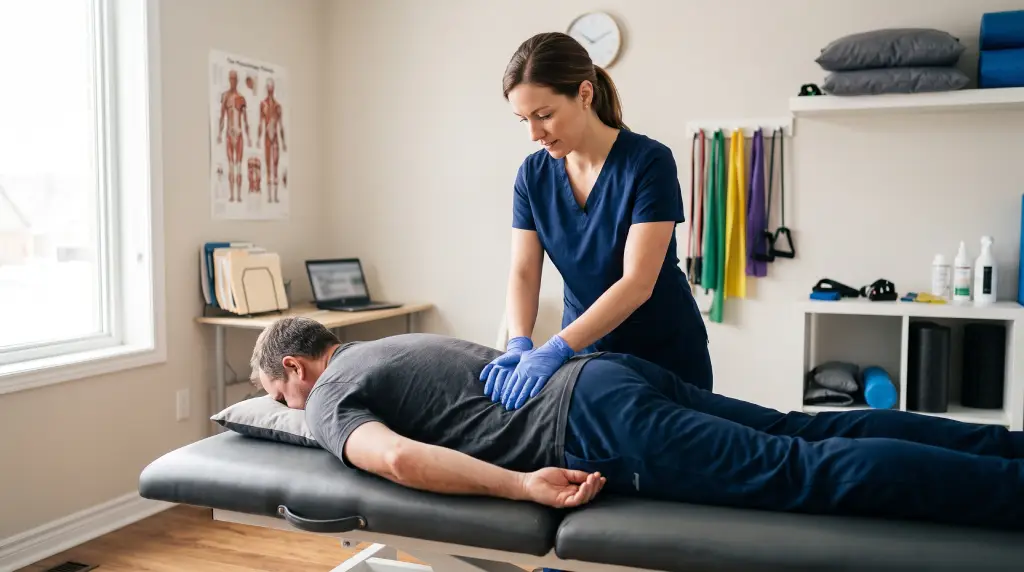
Evidence-based clinical guidelines consistently recommend active physiotherapy as a first-line intervention for mechanical back pain. A Registered Physiotherapist conducts a thorough biomechanical, postural, and neurological assessment to identify the true driver of pain rather than merely treating the symptom.
Key physiotherapy interventions include:
Key physiotherapy interventions include:
- 1. Functional Assessment & Biomechanical Correction: Evaluating spinal kinematics, pelvic alignment, hip mobility, and neural tension. Pinpointing joint hypomobility and muscle inhibition allows your therapist to develop an individualized rehabilitation plan.
- 2. Manual Therapy & Joint Mobilization: Hands-on joint mobilizations, passive spinal oscillations, and manual traction help restore segmental arthrokinematics, reduce joint capsular stiffness, and downregulate pain hypersensitivity.
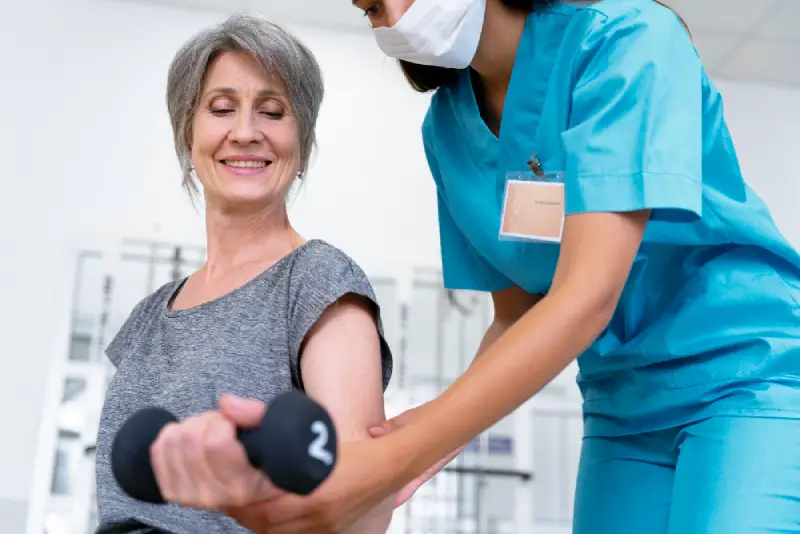
- 3. Progressive Active Rehabilitation & Core Stabilization: Strengthening and motor control training for deep local stabilizers—such as the transversus abdominis, lumbar multifidus, and pelvic floor. Progressive loading improves spinal load tolerance and shields against recurrent injury.
- 4. Neural Mobilization & Directional Preference Exercises: Utilizing specific directional movements (such as extension or flexion protocols) to centralize radiating leg pain, paired with nerve flossing to resolve soft tissue adhesions around neural pathways.
Back Pain Relief at Pro Fusion Rehab (Pickering & Milton)
Serving both the Durham Region and Halton Region, Pro Fusion Rehab delivers coordinated multidisciplinary care tailored to your recovery goals:
- Registered Physiotherapy: Evidence-based active exercise therapy, manual therapy, and functional biomechanical restoration.
- Registered Massage Therapy (RMT): Deep tissue release, myofascial unwinding, and trigger point therapy to release chronic tension.
- Acupuncture & Cupping Therapy: Neuro-functional acupuncture and cupping to stimulate blood flow, reduce muscular hypertonicity, and modulate pain pathways.
- Shockwave Therapy: Radial shockwave application to stimulate cellular repair in chronic, recalcitrant soft tissue injuries.
- Custom Orthotics & Supportive Bracing: Custom foot orthotics and medical back supports to stabilize the kinetic chain and reduce compressive lumbar loading.
Frequently Asked Questions (FAQs)
Do I need a doctor’s referral to see a physiotherapist in Ontario?
No. Physiotherapists are primary healthcare providers in Ontario, meaning you can book directly without a physician’s referral. However, a minority of private insurance policies still require a doctor’s note for reimbursement, so checking your plan details is recommended.
How many physiotherapy sessions will I need for my back pain?
Recovery timelines depend on chronicity and tissue involvement. Many acute strains demonstrate marked functional improvement within 3 to 6 visits, while disc herniations or longstanding postural compensations typically require 6 to 10 weeks of structured loading to restore spinal resilience.
Can Massage Therapy and Acupuncture be combined with Physiotherapy?
Yes. Integrating Registered Massage Therapy (RMT) and Acupuncture alongside Physiotherapy provides a synergistic effect. RMT releases protective muscular guarding and improves tissue extensibility, while Acupuncture regulates pain signaling, allowing you to perform active strengthening exercises with greater comfort.
Do you offer direct billing for back pain treatments?
Yes. Pro Fusion Rehab provides direct billing for most major group health benefits carriers (including Sun Life, Canada Life, Manulife, and others), as well as direct claims processing for WSIB and MVA auto insurance claims.
Home Exercises and Remedies for Fast Back Pain Relief
While professional clinical care provides long-term resolution, simple, low-load movement and home remedies can calm acute flare-ups and restore baseline mobility. Perform these gentle exercises within a pain-free range:
- Dynamic Stretch: Position on hands and knees. Inhale while gently arching your spine toward the floor; exhale while rounding your back toward the ceiling. Perform 8 to 10 slow, controlled repetitions to lubricate spinal joints and ease muscular guarding.
- Stabilization: From hands and knees, brace your core slightly and extend your opposite arm and leg straight out without twisting your hips. Hold for 3 seconds, return, and alternate sides for 8 to 10 reps to activate the deep lumbar stabilizers without loading the discs.
- Gentle Knee-to-Chest Decompression: Lie on your back on a firm surface, draw one knee gently toward your chest with both hands, hold for 20 to 30 seconds, and switch sides. This decompresses posterior lumbar facet joints and stretches the gluteal musculature.
- Frequent Micro-Walks: Avoid remaining static for longer than 30 to 45 minutes. A brief 3- to 5-minute walk restores localized blood circulation, unloads axial compression, and prevents paraspinal muscles from tightening.
- Contrast or Thermal Therapy: Apply an ice pack wrapped in a light towel for 15 minutes to numb sharp, acute inflammation. For chronic, dull morning stiffness or tight musculature, apply a warm heating pad for 15 to 20 minutes before performing your stretches.
Find The Physiotherapy Clinic Near You
Pro Fusion Rehab has 2 well designed and modern rehabilitation clinics, located at Pickering and Milton Ontario.
Pickering Physiotherapy Clinic
Milton Physiotherapy Clinic
Try Our Direct Billing Service
Lower Your Upfront Payment
We direct bill most of the Group Health Benefits, WSIB and Auto Insurance Company