Book Appointment Now

Bracing
What is Bracing in Physiotherapy?
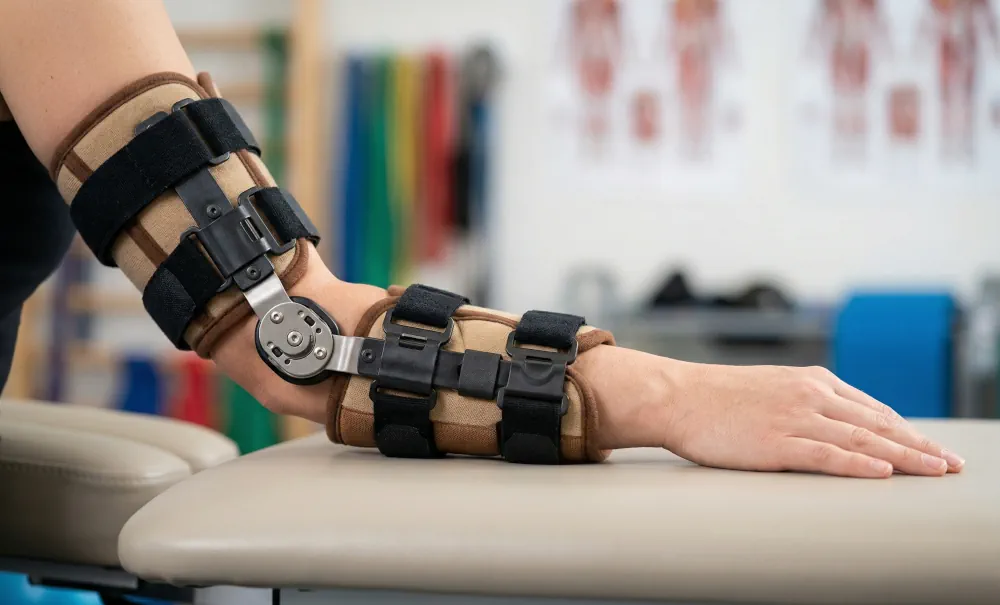
Bracing in physiotherapy involves using external supports, such as braces, splints, or orthoses, to stabilize joints or muscles, limit harmful movement, and reduce pain during healing. Bracing can protect injured areas, improve posture, and enhance function during rehabilitation, helping patients recover from musculoskeletal injuries, post-surgical conditions, or chronic joint instability.
Conditions Can Benefit From Bracing:
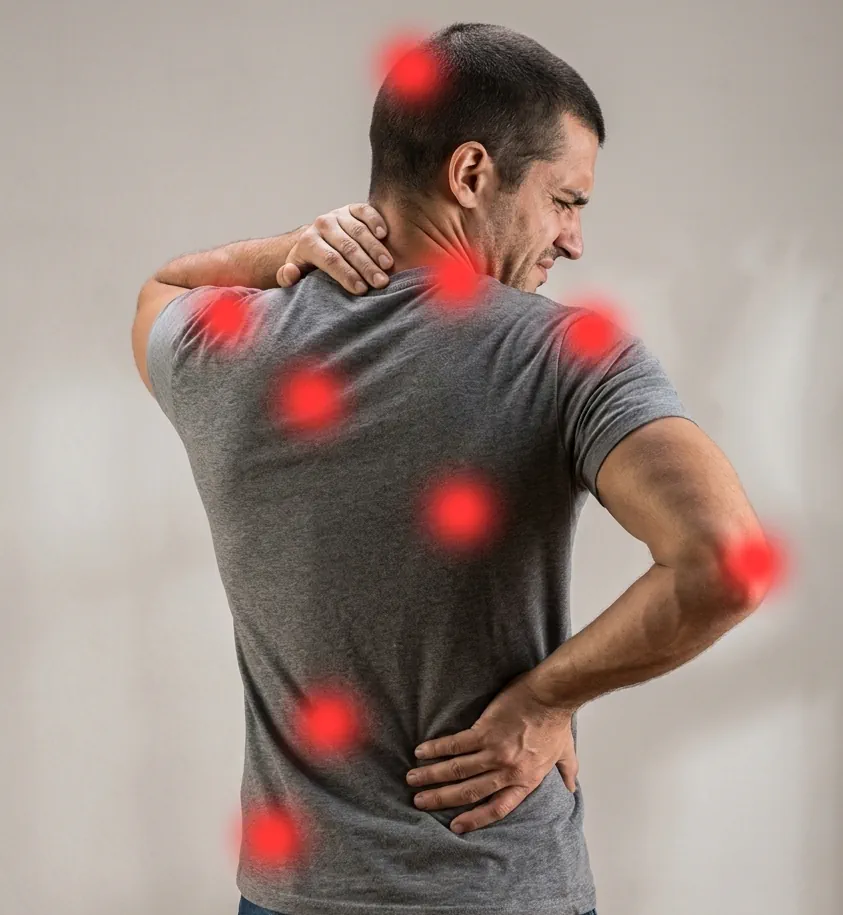
- Low Back Pain
- Neck Pain
- Knee Osteoarthritis
- Shoulder Instability
- Post-Surgical Joint Support
- Sprains (Ankle, Wrist, Knee)
- Patellofemoral Pain Syndrome
- Tendinitis (Achilles, Patellar)
- Bursitis (Shoulder, Hip, Knee)
- Carpal Tunnel Syndrome (Inflammatory Component)
- Plantar Fasciitis
- Post-Injury Swelling or Edema
- Stroke Rehabilitation
- Multiple Sclerosis
- Cerebral Palsy
- Peripheral Neuropathy
- Nerve Injury Recovery
If you’re experiencing ongoing pain, stiffness, or limited mobility in Pickering or Milton, we are here to help. At The Pro Fusion Rehab, your trusted bracing clinic serving Pickering and Milton, we provide personalized bracing solutions designed to support your joints and muscles, address the root cause of your discomfort, and help you recover safely and naturally—without relying on medications or invasive procedures.
Our Physiotherapy Treatment Options
- Manual stretching
- Manual traction
- Soft tissue therapy
- Mobilisation and manual therapy techniques
- Interferential electro therapy
- Shockwave therapy
- Ultrasound therapy
- Kinesio Taping techniques
- Manual Lymphatic Drainage and Decongestive Therapy
- Therapeutic exercises
- Posture, coordination and balance Re-education.
- Work hardening program.
- Injury prevention education.
What Can Brace/Support Help?
Low Back Pain
Bracing provides lumbar support, reduces excessive spinal movement, and helps relax strained muscles, allowing painful tissues to heal. It can also encourage better posture and reduce pressure on irritated joints or discs.
Knee Osteoarthritis
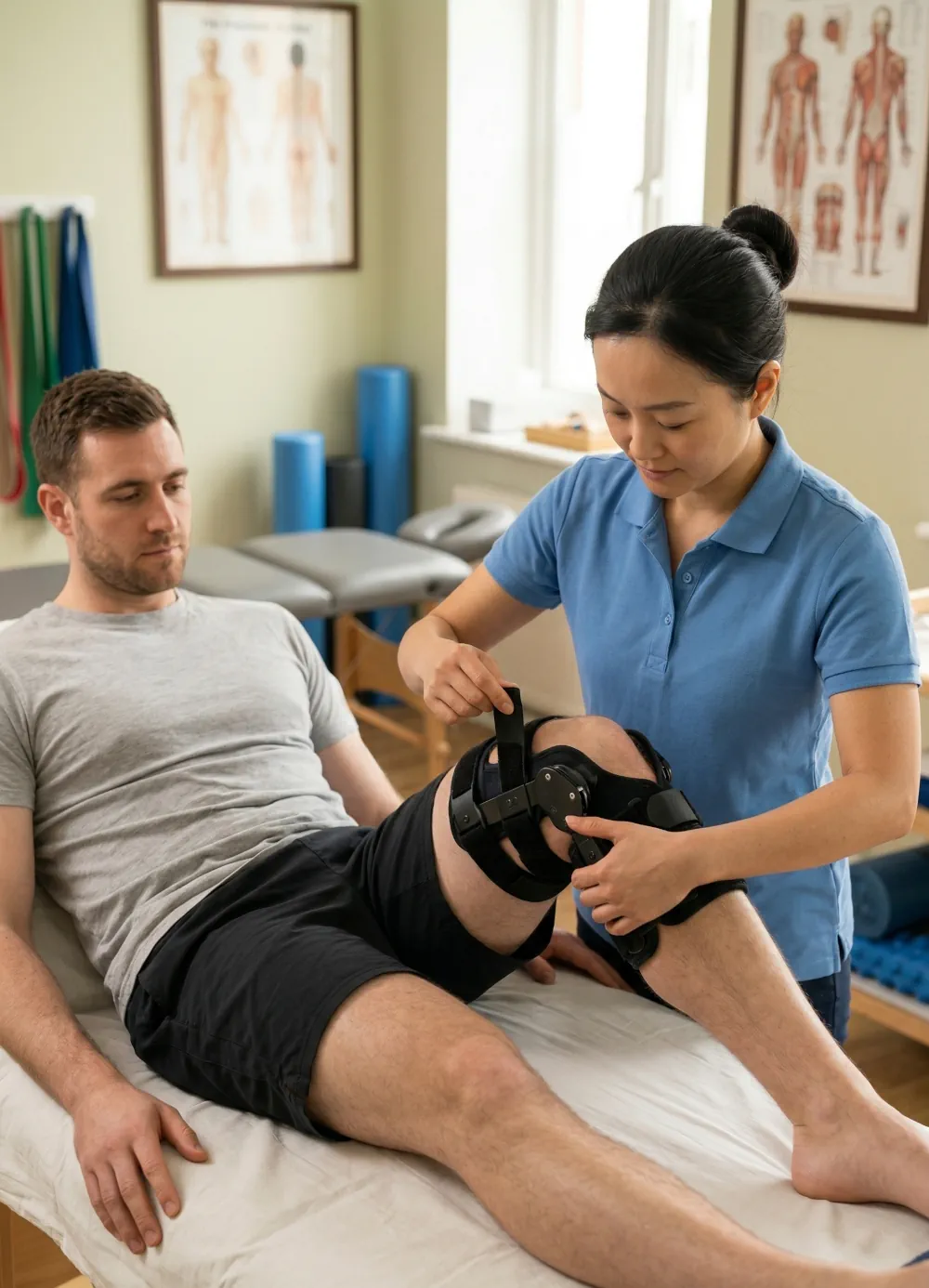
A knee brace can offload pressure from the affected joint compartment, reduce pain during walking, and improve stability. This helps slow symptom progression and supports everyday movement with less discomfort.
Sprains (Ankle, Wrist, Knee)
Bracing stabilizes the injured joint, limits harmful movements, reduces swelling, and protects ligaments during healing. It allows safe mobility while preventing re-injury.
Carpal Tunnel Syndrome
A wrist brace keeps the wrist in a neutral position, reducing pressure on the median nerve. This helps ease pain, numbness, and tingling—especially during sleep or repetitive tasks.
Post-Injury Swelling
Compression braces help control swelling, promote fluid drainage, and improve circulation. Reducing edema speeds up healing and decreases stiffness or pain around the injured area.
Sports Injury
Bracing protects vulnerable joints, supports healing tissues, and prevents excessive movement during activity. It allows athletes to continue training or return to sport more safely.
Postural Correction
Braces can gently guide the body into proper alignment, reduce strain on muscles, and retrain posture habits. This helps relieve pain linked to poor posture in the neck, shoulders, or back.
Helping Patients in Milton and Pickering With Quality Care


Find The Physiotherapy Clinic Near You
Pro Fusion Rehab has 2 well designed and modern rehabilitation clinics, located at Pickering and Milton Ontario.
Pickering Physiotherapy Clinic
Milton Physiotherapy Clinic
Try Our Direct Billing Service
Lower Your Upfront Payment
We direct bill most of the Group Health Benefits, WSIB and Auto Insurance Company