Book Appointment Now

Sciatica Relief
Sciatica Relief: Causes, Symptoms, and Evidence-Based Treatment
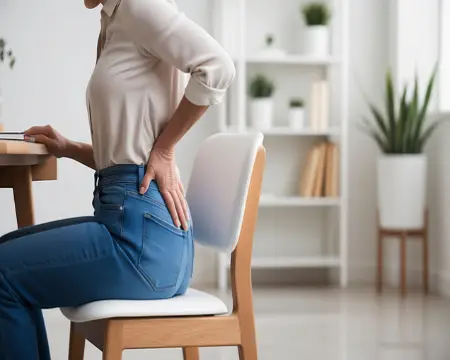
Sciatica is a common nerve condition treated in rehabilitation clinics. It refers to pain originating from the sciatic nerve. This nerve travels from the lower back through the hips and down each leg. When irritated, it can cause severe discomfort and restrict routine movement.
At Pro Fusion Rehab, we address the root cause of nerve irritation. Our clinics in Pickering and Milton combine registered physiotherapy, registered massage therapy (RMT), and acupuncture to help you recover.
At Pro Fusion Rehab, we address the root cause of nerve irritation. Our clinics in Pickering and Milton combine registered physiotherapy, registered massage therapy (RMT), and acupuncture to help you recover.
Typical Symptoms & Common Causes of Sciatica
Sciatica symptoms typically affect one side of the body. Furthermore, symptoms can range from mild aching to sharp, debilitating pain:
- Radiating Leg Pain: A burning or electric pain that travels through the buttock and down the leg.
- Numbness and Tingling: A “pins and needles” sensation affecting the calf, foot, or toes.
- Lower Back Aching: A dull, persistent ache in the lumbar spine that often accompanies leg symptoms.
- Motor Weakness: Difficulty moving the foot, lifting the toes, or bending the knee.
- Postural Aggravation: Increased discomfort during prolonged sitting, coughing, sneezing, or standing up.
Sciatica is a clinical symptom rather than an isolated diagnosis. Consequently, it occurs when surrounding anatomical structures compress or inflame the nerve roots:
- Lumbar Disc Herniation: A bulging or ruptured disc compresses an adjacent spinal nerve root in the lower back.
- Piriformis Syndrome: The piriformis muscle in the buttock tightens or spasms, compressing the sciatic nerve beneath it.
- Lumbar Spinal Stenosis: Age-related narrowing of the spinal canal pinches the nerve roots exiting the vertebrae.
- Spondylolisthesis: One lumbar vertebra slips forward over another, narrowing the nerve opening and stressing spinal tissues.
- Prolonged Static Posture: Long periods of slouched sitting place direct, sustained pressure on the gluteal muscles and spine.
Looking for Sciatica Relief?
Bed rest can worsen nerve sensitivity and delay healing. Instead, adopting active daily strategies helps decompress the nerve:
- Limit Continuous Sitting: Prolonged sitting compresses the lower lumbar discs. Therefore, stand up and walk every 30 minutes.
- Adjust Your Sleep Posture: Sleep on your side with a pillow between your knees. If sleeping on your back, place a pillow beneath your knees.
- Use Strategic Cold and Heat: Apply ice to the lower back during acute flare-ups. Afterwards, switch to moist heat to relax tight hip muscles.
- Avoid Aggressive Forward Bending: Bending from the waist increases disc pressure. Instead, bend at your knees and hips when lifting items.
- Get a Clinical Assessment: Early treatment prevents minor nerve irritation from turning into chronic neuropathy.
How Can Physiotherapy Treat Sciatica?
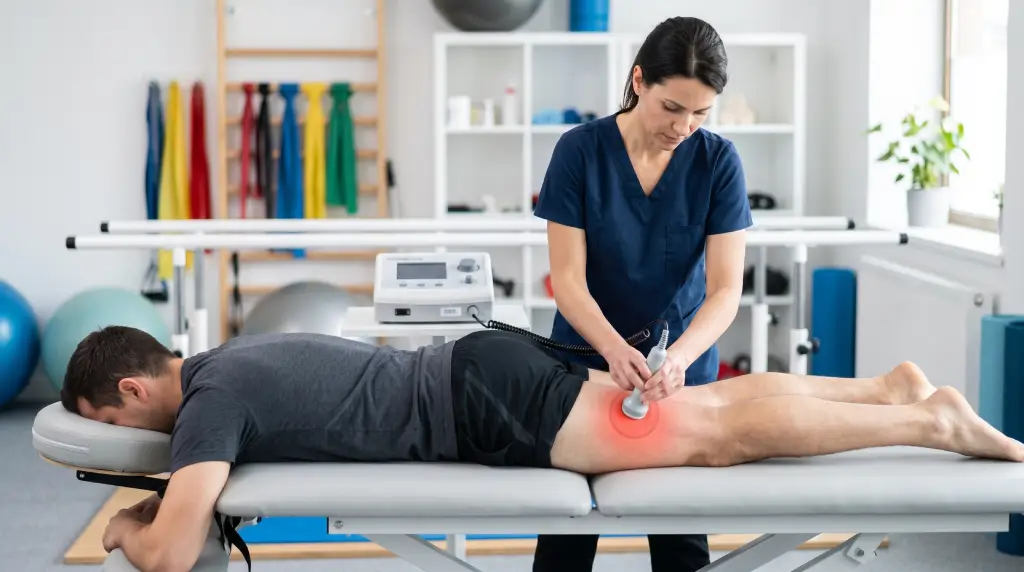
A Registered Physiotherapist evaluates spinal mobility, hip flexibility, and nerve conductivity. Next, your therapist creates an individualized treatment plan to unload the nerve.
Therapy interventions include:
Therapy interventions include:
- 1. Directional Preference Exercises: Using specific spinal movements, such as the McKenzie method, helps centralize your symptoms. As a result, pain recedes from the leg back into the lower spine.
- 2. Neural Mobilization Techniques: Gentle nerve flossing drills help the sciatic nerve glide smoothly through tight tissue pathways. Consequently, nerve tension and sensitivity drop.
- 3. Manual Therapy: Joint mobilizations to the lumbar spine and pelvis restore normal joint play. Therefore, local mechanical pressure on adjacent nerve roots decreases.
- 4. Core and Pelvic Stabilization: Targeted exercises strengthen deep stabilizers like the transversus abdominis. These exercises shield the lower back from future strain and instability.
Sciatica Pain Relief at Pro Fusion Rehab (Pickering & Milton)
At Pro Fusion Rehab, our multidisciplinary team coordinates care to deliver efficient recovery:
- Registered Physiotherapy: We use manual therapy, nerve glides, and active exercise routines to treat nerve compression.
- Registered Massage Therapy (RMT): Our therapists release tension in the gluteal, piriformis, and lower back muscles.
- Acupuncture: We use neuro-functional acupuncture to downregulate pain pathways and improve local tissue circulation.
- Custom Orthotics: We assess foot alignment to correct kinetic imbalances that strain the pelvis and lower spine.
Frequently Asked Questions (FAQs)
How long does sciatica take to heal with physiotherapy?
Most acute sciatica cases improve within 4 to 8 weeks with targeted physiotherapy. However, severe disc injuries or nerve compression may require 8 to 12 weeks of structured care.
Should I stretch my hamstrings if I have sciatica?
No, aggressive hamstring stretching can irritate an inflamed sciatic nerve. Instead, focus on gentle nerve flossing and hip mobility drills recommended by your physiotherapist.
Is walking good for sciatica?
Yes, walking on flat ground encourages spinal fluid circulation and reduces paraspinal muscle spasms. However, avoid long strides, uphill hikes, or uneven terrain during acute flare-ups.
What red-flag symptoms require immediate emergency care?
Seek emergency medical attention if you develop loss of bowel or bladder control, numbness in your groin or saddle area, or sudden weakness causing foot drop.

Home Exercises and Remedies for Sciatica Relief
Low-load home exercises help calm an irritated sciatic nerve between clinic visits. Perform these movements gently within a pain-free range:
- Prone Press-Up: Lie face down with hands flat under your shoulders. Next, press your upper body upward while keeping your hips on the floor. Hold for 2 seconds and repeat 10 times to reduce disc pressure.
- Figure-Four Glute Stretch: Lie on your back with knees bent. Cross your affected ankle over the opposite knee. Then, pull the uninjured thigh toward your chest. Hold for 20 seconds to stretch the piriformis muscle.
- Sciatic Nerve Flossing: Sit tall on a chair. Straighten your affected leg while tilting your head backward. Then, bend your knee while bringing your chin to your chest. Repeat smoothly for 10 repetitions.
- Knee-to-Opposite-Shoulder Stretch: Lie flat on your back. Grasp your affected knee with both hands. Gently pull it diagonally toward your opposite shoulder. Hold for 20 seconds to ease hip tightness.
- Paced Walking: Take short, frequent walks on flat surfaces. Gentle walking encourages circulation around compressed nerve roots and eases stiffness.
Find The Physiotherapy Clinic Near You
Pro Fusion Rehab has 2 well designed and modern rehabilitation clinics, located at Pickering and Milton Ontario.
Pickering Physiotherapy Clinic
Milton Physiotherapy Clinic
Try Our Direct Billing Service
Lower Your Upfront Payment
We direct bill most of the Group Health Benefits, WSIB and Auto Insurance Company