Book Appointment Now

Work-Related Injury Rehabilitation
Work-Related Injury Rehabilitation: Symptoms, WSIB Benefits, and Safe Recovery
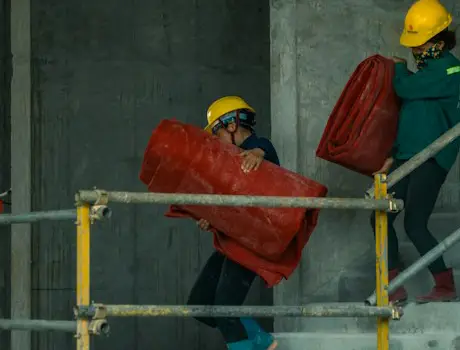
Workplace injuries affect thousands of employees across Ontario every year. Whether caused by sudden industrial accidents or progressive repetitive strain, a work-related injury can disrupt your livelihood and daily function. Navigating physical recovery alongside workplace reporting and insurance paperwork often feels overwhelming. Prompt, structured care ensures safe tissue healing and protects your health.
At Pro Fusion Rehab, our clinics in Pickering and Milton provide authorized, comprehensive care for injured workers. We combine registered physiotherapy, registered massage therapy (RMT), and acupuncture to help you rebuild functional capacity and return to work safely.
At Pro Fusion Rehab, our clinics in Pickering and Milton provide authorized, comprehensive care for injured workers. We combine registered physiotherapy, registered massage therapy (RMT), and acupuncture to help you rebuild functional capacity and return to work safely.
Typical Symptoms & Common Causes of a Work-Related Injury
Workplace injuries vary widely depending on your job duties. Furthermore, symptoms can develop suddenly after acute trauma or build gradually from repetitive daily strain:
- Acute Muscular Strains and Sprains: Severe lower back, neck, or shoulder spasms caused by heavy lifting or awkward material handling.
- Persistent Joint Stiffness and Aching: Reduced range of motion in the knees, hips, or elbows following repeated bending, climbing, or kneeling.
- Repetitive Strain Pain (RSI): Burning, aching, or swelling along the wrists, forearms, or fingers from sustained mouse use, typing, or assembly line tasks.
- Radiating Nerve Symptoms: Numbness, tingling, or electric sensations traveling into the arms or legs, often triggered by prolonged compression.
- Post-Impact Trauma and Contusions: Localized bruising, swelling, or joint instability following slips, trips, falls, or equipment strikes.
Occupational injuries stem from physical overexertion, ergonomic mismatches, or hazardous physical work environments:
- Improper Lifting and Manual Handling: Lifting heavy, awkward loads away from the body overloads lumbar discs and spinal ligaments.
- Repetitive Motion and Microtrauma: Performing the same physical task thousands of times per shift causes cumulative microtears in tendons and joint capsules.
- Slips, Trips, and Falls: Wet floors, cluttered walkways, or icy stairs cause sudden awkward twisting or hard surface impacts.
- Sustained Static Postures: Prolonged sitting at poorly configured workstations or standing on concrete floors induces muscle fatigue and joint compression.
- Vibration and Machinery Stress: Operating pneumatic tools or driving heavy industrial vehicles transmits continuous mechanical vibration into the spine and upper limbs.
Looking for Work-Related Injury Relief?
Ignoring workplace pain rarely resolves the problem. Instead, early action prevents acute microtears from developing into chronic physical limitations:
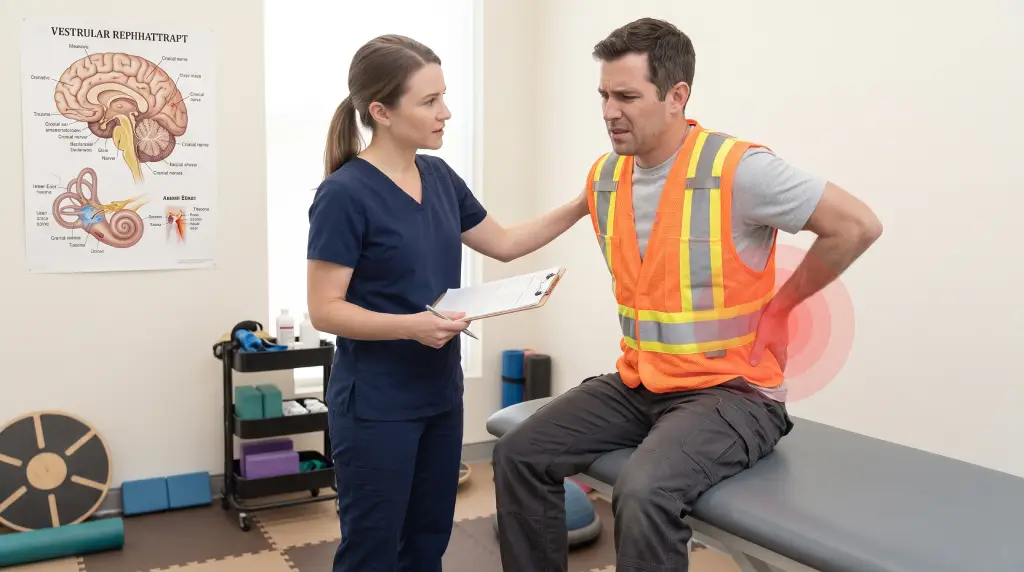
- Report the Injury Immediately: Notify your employer or supervisor right away so they can document the incident and submit official workplace injury reports.
- Avoid Pushing Through Sharp Pain: Continuing heavy duties while injured can turn a minor sprain into a severe tear. Modify physical duties early.
- Adopt Neutral Working Postures: Adjust your chair, desk, and tool positioning to keep your joints aligned and reduce static muscle fatigue.
- Pace Repetitive Tasks: Take micro-breaks every 30 minutes to stretch tight muscles, reset spinal alignment, and restore circulation.
- Seek Early Clinical Rehabilitation: Structured therapy accelerates tissue healing and supports clear medical documentation for your claim.
How Can Physiotherapy Treat a Work-Related Injury?
A Registered Physiotherapist conducts a thorough functional assessment of your joint mobility, muscular strength, and task-specific movement patterns. Next, your therapist develops a goal-oriented rehabilitation plan.
Key clinical approaches include:
Key clinical approaches include:
- 1. Manual Therapy and Joint Mobilization: Hands-on mobilizations reduce joint capsular stiffness caused by trauma or overuse. Consequently, pain levels drop and natural movement mechanics return.
- 2. Functional Strengthening and Conditioning: Therapeutic exercises build strength in key stabilizing muscle groups. These exercises condition your body to meet the specific physical demands of your job safely.
- 3. Ergonomic and Task-Specific Movement Retraining: Therapists break down your routine work tasks to identify mechanical errors. Learning safer lifting, reaching, and bending techniques protects healing tissues from repeat overload.
- 4. Modalities for Pain and Inflammation: Clinical modalities, including cold therapy, heat, and electrotherapy, manage acute inflammation and relieve protective muscular guarding.
Navigating WSIB Health Care Benefits at Pro Fusion Rehab
If you sustained an injury on the job in Ontario, your treatment is typically covered through the Workplace Safety and Insurance Board (WSIB). Understanding your coverage ensures a smooth rehabilitation process:
- Direct Billing to WSIB: Once your claim is registered, we bill WSIB directly for your approved assessment and therapy sessions. There are no out-of-pocket costs for approved care.
- WSIB Programs of Care (POC): We provide evidence-based treatment plans, including specialized Programs of Care for acute lower back, shoulder, and musculoskeletal injuries.
- Coordinated Medical Reporting: Our clinical team handles necessary medical reporting, including progress notes and functional abilities forms. We communicate directly with your adjudicator and nurse case manager.
- Safe Return-to-Work Planning: We collaborate with you, your employer, and your physician to recommend suitable modified duties and establish safe timelines for full duties.
WSIB Rehab at Pro Fusion Rehab (Pickering & Milton)
At Pro Fusion Rehab, our multidisciplinary team coordinates care to deliver efficient recovery:
- Registered Physiotherapy: We provide comprehensive functional assessments, manual therapy, and work-specific conditioning programs.
- Registered Massage Therapy (RMT): Our therapists relieve compensatory muscle spasms and myofascial tightness caused by physical overexertion.
- Acupuncture: We use neuro-functional acupuncture to downregulate persistent pain pathways, ease inflammation, and stimulate local blood flow.
- Supportive Bracing and Orthotics: We evaluate your need for supportive braces or custom orthotics to protect vulnerable joints during physical shifts.
Frequently Asked Questions (FAQs)
Do I need a doctor’s referral to start WSIB therapy?
No. You can see a registered physiotherapist directly for an initial assessment following a workplace injury. We will assess your condition, file the necessary initial health reports with WSIB, and coordinate with your family doctor as needed.
What information do I need to bring for my first WSIB appointment?
Please bring your WSIB claim number, date of injury, employer contact details, and any documentation or forms provided by your physician or employer. If you do not have your claim number yet, we can help guide you through the initial steps.
Can I receive Massage Therapy or Acupuncture under my WSIB claim?
Yes. Depending on your specific injury and the approved Program of Care, additional modalities like Registered Massage Therapy and Acupuncture can be incorporated to support your primary rehabilitation plan.
What happens if I am not ready for full regular duties?
Your physiotherapist evaluates your physical capabilities and completes Functional Abilities Forms. These documents outline specific physical restrictions—such as lifting limits or walking durations—allowing your employer to provide safe, modified duties while you recover.
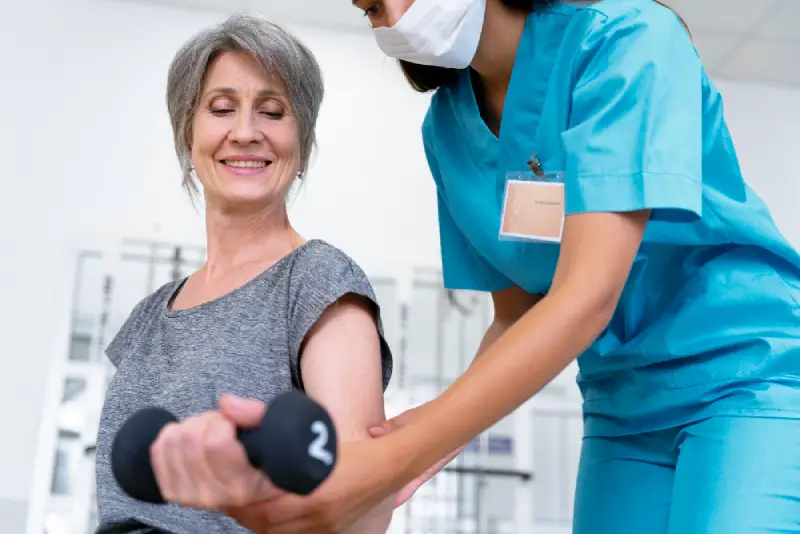
Home Exercises and Remedies for Work-Injury Relief
Gentle home exercises support joint mobility and ease muscle tightness between clinical appointments. Always perform these movements within a comfortable, pain-free range:
- Standing Lumbar Extension: Stand tall with your feet shoulder-width apart and your hands resting on your lower back. Gently arch backward, hold for 2 seconds, and return to center. Repeat 8 times to relieve disc pressure after prolonged sitting or forward bending.
- Seated Shoulder Blade Squeezes: Sit tall with your arms relaxed at your sides. Draw your shoulder blades gently back and downward toward your spine. Hold for 5 seconds, relax, and repeat 10 times to counteract rounded-shoulder fatigue.
- Forearm Flexor and Extensor Stretch: Extend one arm straight with your palm facing down. Gently pull your fingers downward toward your body, then flip your palm up and pull back. Hold each stretch for 20 seconds to relieve forearm strain from repetitive tool or computer use.
- Gentle Knee-to-Chest Decompression: Lie flat on your back on a firm surface. Draw one knee comfortably toward your chest using both hands. Hold for 20 seconds, switch sides, and repeat to relieve posterior hip and lumbar tension.
- Ice and Heat Application: Apply an ice pack wrapped in a cloth for 15 minutes to soothe acute muscular soreness after work. For persistent morning stiffness, use a warm heating pad for 15 minutes to loosen tight tissues before your shift.
Find The Physiotherapy Clinic Near You
Pro Fusion Rehab has 2 well designed and modern rehabilitation clinics, located at Pickering and Milton Ontario.
Pickering Physiotherapy Clinic
Milton Physiotherapy Clinic
Try Our Direct Billing Service
Lower Your Upfront Payment
We direct bill most of the Group Health Benefits, WSIB and Auto Insurance Company